

🟠 Starts November 2
🟡 6 Weeks Online
🟢 5 Hours Per Week
🔵 Live Sessions + Recordings
🟣 Early Bird: $850

Python can help you work faster, analyze environmental data more effectively, and build workflows that are easier to repeat and improve.
This hands-on course is designed to make programming approachable for people who may be used to working through calculations by hand, with a calculator, or in spreadsheets. You’ll learn the fundamentals of Python for environmental data analysis through practical exercises and freely available tools, helping you take the next step toward faster, more efficient, and more reproducible analysis.
By the end of the course, you’ll have a strong foundation to continue developing your Python skills independently and the confidence to incorporate Python, online resources, and modern AI tools into your day-to-day work.
Mondays, 2 hrs. Time set by participant poll before the start
Online via Canvas + Zoom, all sessions recorded
Full refund minus $100 admin fee until Oct 19
By the end of the course, you’ll be able to import environmental datasets into Python, explore and analyze your data, perform basic statistical analyses, create high-quality visualizations, and save scripts that can be reused to reproduce your analysis.
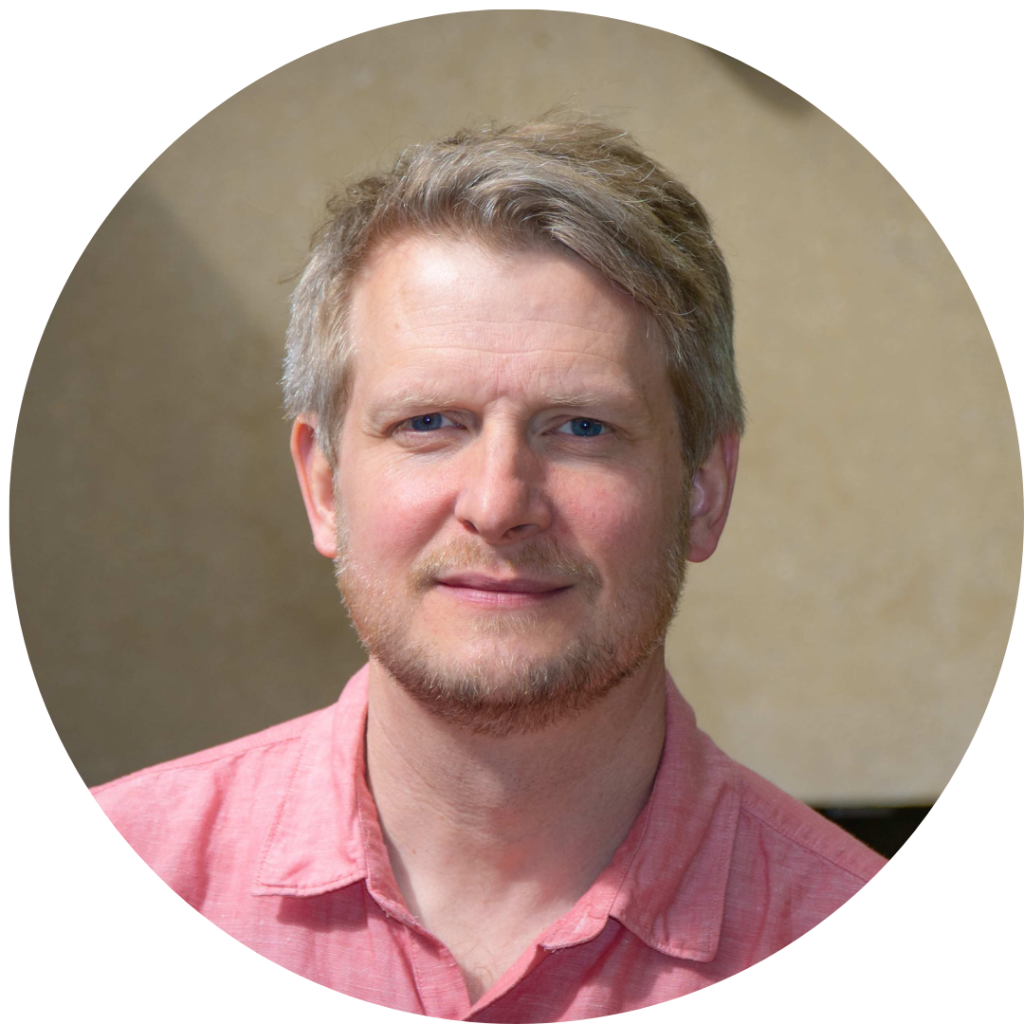
Andrew Ireson, PhD, is a Professor in the School of Environment and Sustainability and a member of the Global Institute for Water Security. His research focuses on subsurface hydrology, climate change and water security, land-water management, and sustainable natural resource development.
The course combines live online sessions, recorded learning materials, and independent exercises so you can build your skills step by step.
Join a synchronous online session with the instructor and other participants. Sessions are recorded so you can review them if you miss anything.
Work through lesson videos and exercises at your own pace.
Apply what you learn with exercises and your own data.
Get started with Python, set up your software, and complete your first calculations.
Build your foundation with Python lists and NumPy arrays.
Learn how to create clear, high-quality figures using Matplotlib.
Discover how Pandas can help you read, process, and analyze time series data.
Bring your skills together, refine your scripts, and prepare your analysis portfolio.
Refine and share your analysis with other participants, receive feedback, and develop a personal plan for incorporating Python into your research or professional workflow.
Working with environmental data in their day-to-day roles
Ready to move beyond calculators and repetitive Excel workflows
Analyzing data for research, projects, or theses
Looking for a practical, approachable introduction to scripting and data analysis
Choose the registration category that applies to you:
Registration Category | Fee (CAD) |
|---|---|
Standard | $995 |
Early Bird | $850 |
Student / SENS Alumni | $550 |
Early-bird registration is available for a limited time.
Dans un esprit de respect, de réciprocité et de vérité, nous honorons et reconnaissons Moh’kinsstis, le territoire traditionnel du Traité 7 et les pratiques orales de la confédération des Pieds-Noirs : Siksika, Kainai, Piikani, ainsi que les nations Îyâxe Nakoda et Tsuut’ina. Nous reconnaissons que ce territoire abrite la Nation métisse de l’Alberta, la région 3 au sein de la patrie historique des Métis du Nord-Ouest. Enfin, nous reconnaissons toutes les nations qui vivent, travaillent et se divertissent sur ce territoire, et qui l’honorent et le célèbrent.
In the spirit of respect, reciprocity, and truth, we acknowledge that we live, work, and gather on the traditional territories of the peoples of Treaty 7, including the Blackfoot Confederacy—comprising the Siksika, Kainai, and Piikani Nations—as well as the Îyâxe Nakoda and Tsuut’ina Nations.
This land, known as Moh’kinsstis in the Blackfoot language and encompassing what is now Districts 5 and 6, is also home to the Métis Nation of Alberta, Region 3, within the historical Northwest Métis homeland.
We recognize and honour the deep connection these Nations have to the land, and we are grateful for the opportunity to share in its stewardship.
As we continue our work, we commit to learning from Indigenous knowledge systems, uplifting Indigenous voices, and fostering relationships rooted in equity, understanding, and reconciliation.
Nous travaillons actuellement sur la version française du site que nous espérons lancer très bientôt!
Merci pour votre patience et compréhension pendant que nous finalisons la version améliorée du site.
We are working to launch the French site very soon!
Thank you for your patience while we finalize the new and improved version of our website.