ECO Canada is proud to feature a story from Tanver Hossain, an engaged member of our EPt community, who led the communications and outreach strategy for USAID’s Bengal Tiger Conservation Activity.
This inspiring example highlights how creative communication tools can make biodiversity conservation more accessible, engaging, and impactful.
Please see below to read the full story, originally published by the United News of Bangladesh.
In early 2016, a brightly painted 40-foot bus rolled out of Dhaka, carrying not commuters but a mission. Its design caught eyes immediately: shaped like a tiger, roaring in orange and black, it was a moving museum and a traveling classroom. Its purpose was urgent and ambitious to bring the Sundarbans and its tigers into the heart of Bangladesh, reminding us all that the Bengal tiger, our national pride, was under threat. This was the TigerCaravan, and it became one of the most innovative tools ever used to spread messages of biodiversity conservation in the country.
The caravan was not an isolated effort. It originated from the Bengal Tiger Conservation Activity (Bagh), a flagship environmental project funded by the U.S. Agency for International Development (USAID). Under the leadership of the Bangladesh Forest Department, the project was implemented by WildTeam, a national NGO focused on enhancing the conservation status of key species and habitats in Bangladesh. Together, this coalition envisioned a campaign that aimed to go beyond reports and policies, to reach people directly in their streets, schools, and marketplaces.
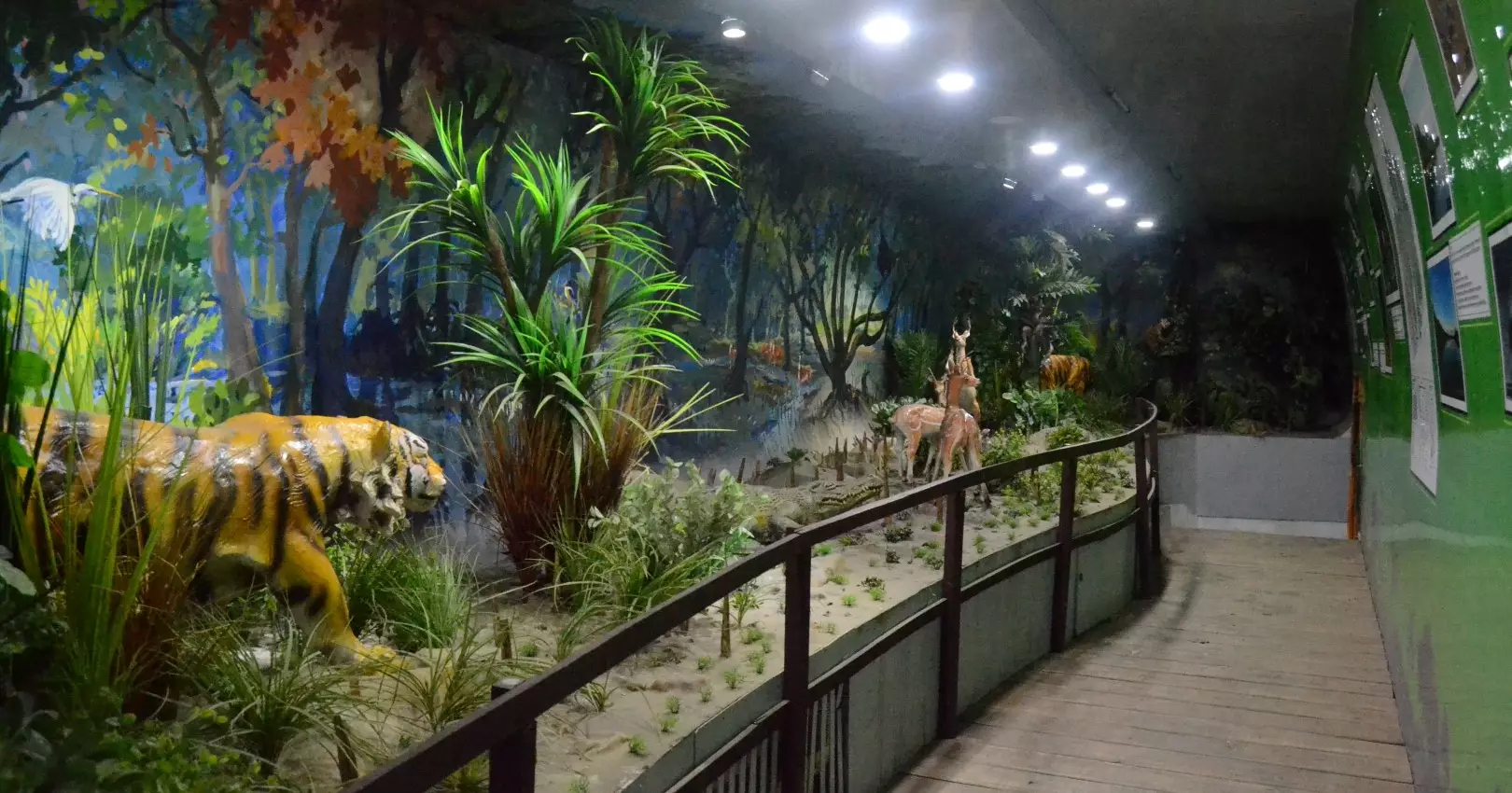
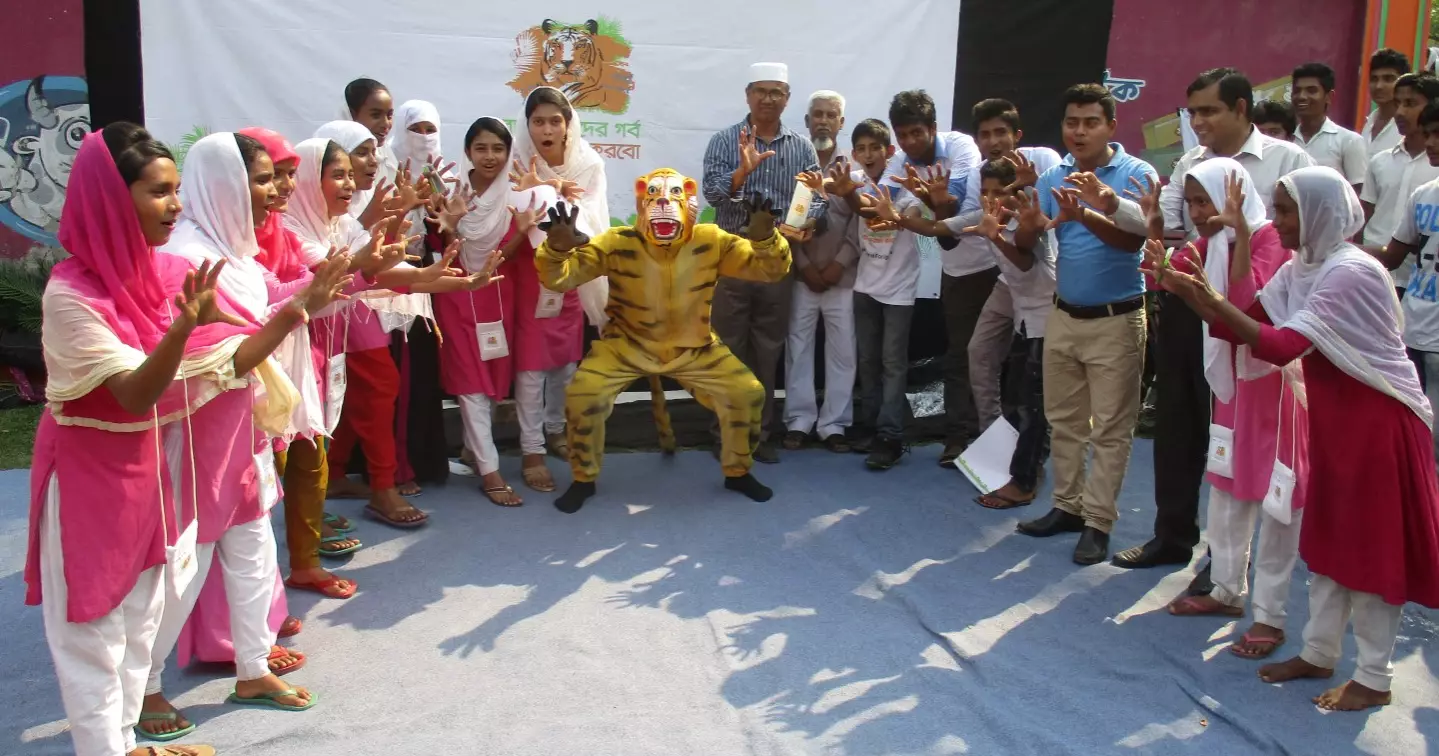
Over four months, starting in February 2016, the caravan visited 47 districts and staged more than 200 exhibitions and performances. It directly engaged more than 250,000 people in person and reached around 2.5 million through social media, under the campaign hashtag #IStandForTiger. Crowds gathered at every stop; children posed for photos with tiger cut-outs; families watched films together in open-air screenings; and young people proudly declared their solidarity online.
The TigerCaravan was part of a broader National Tiger Awareness Campaign, a two-year communication initiative that we managed under USAID’s Bagh Activity. It complemented other long-term efforts, including the five-year “Mother-like Sundarbans” campaign, initiated by WildTeam, a social behavior change initiative launched in 2012. That campaign, aimed at shifting community attitudes toward the Sundarbans, achieved remarkable results—raising adequate knowledge and positive attitudes among target audiences from a baseline of 30% to 74% by 2016, according to BCAS follow-up studies. These numbers demonstrated that communication, when designed with creativity and cultural sensitivity, could reshape public attitudes toward conservation.
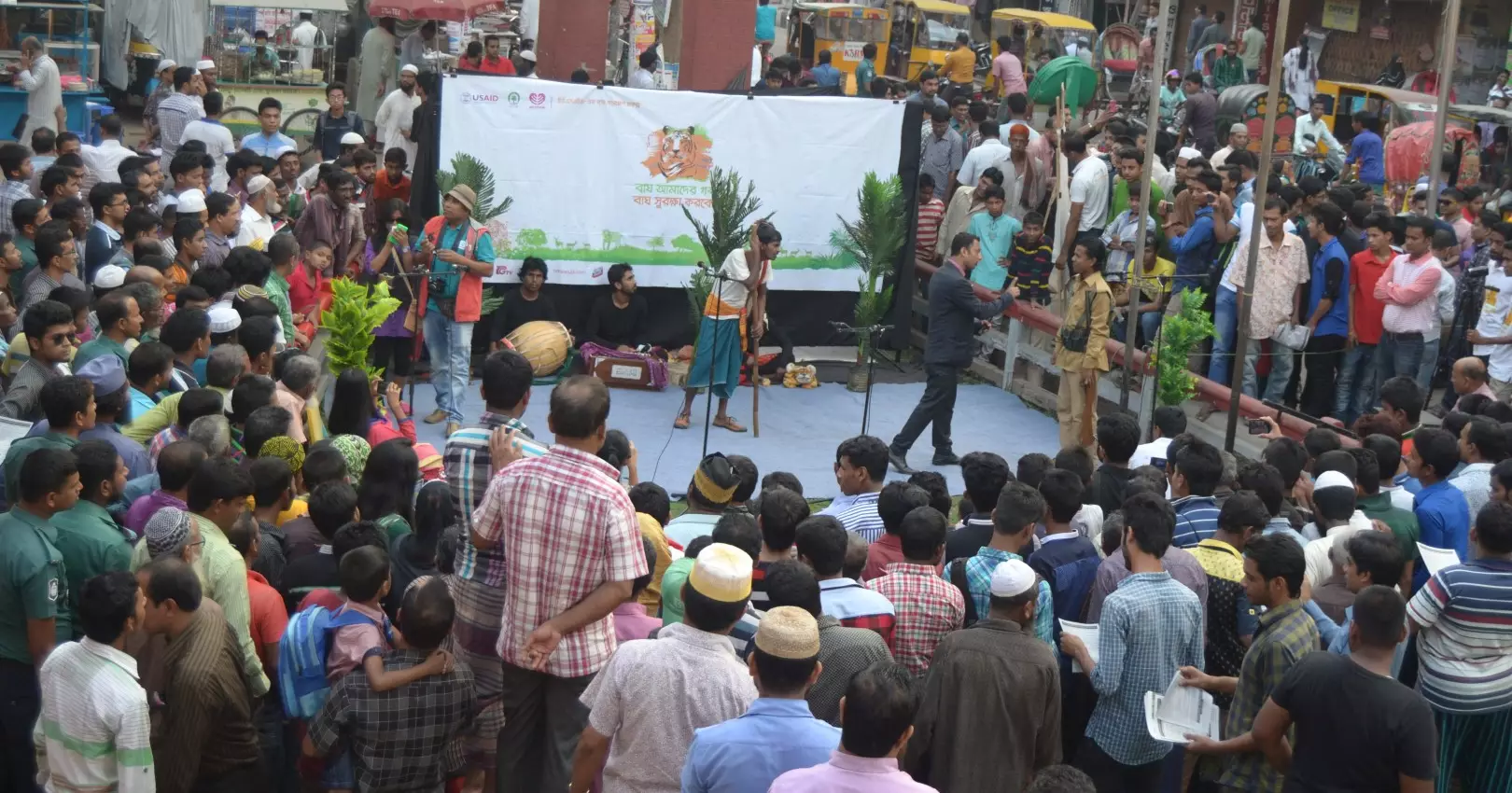
Looking back, what made the TigerCaravan unique was its ability to blend technology, art, and grassroots engagement. It was at once a museum, a theater, a digital campaign, and a rallying symbol of national pride. It connected conservation science with people’s everyday realities, making the tiger not a distant emblem but a living presence in their neighbourhoods. In that sense, it was not only about protecting wildlife; it was about protecting our cultural identity, our ecosystems, and ultimately, our own survival.
Today, as Bangladesh continues to grapple with the twin challenges of biodiversity loss and climate change, the lessons of the TigerCaravan remain urgent. Protected areas across the country from the Sundarbans to hill forests and wetlands need more than fences and patrols. They need education, awareness, and active community participation. Conservation must travel to the people, not wait for them to come.
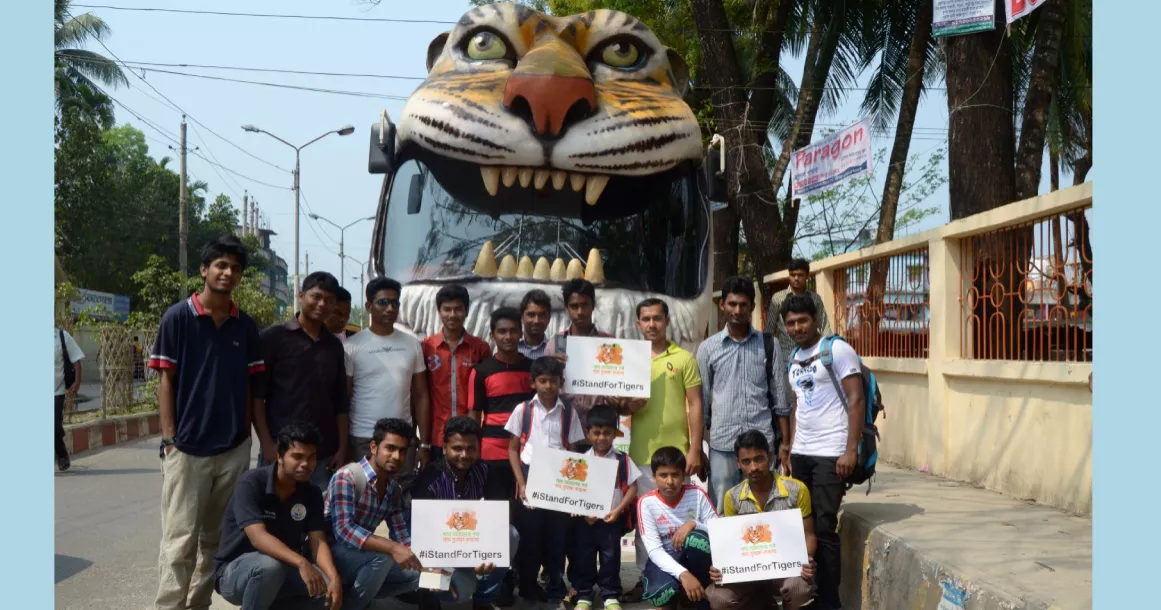
The TigerCaravan showed us that awareness can be mobilized at scale when carried with creativity and inclusivity. It was a tool that turned conservation into an experience, a movement, and a memory. Its legacy urges us to revive similar efforts today. Imagine caravans traveling again, this time focused not only on tigers but also on elephants, wetlands, or climate resilience in vulnerable regions. Imagine protected areas becoming not just geographic zones but centers of shared national responsibility.
The tiger still roams, though in smaller numbers. The Sundarbans continue to shelter them, though increasingly vulnerable. “The TigerCaravan is history now, but its spirit should remain alive. It is time to reignite that legacy, to take conservation back on the road, and to remind ourselves that protecting nature is inseparable from protecting our future”, says Enayetullah Khan, the founder of WildTeam.”
Md Tanver Hossain is former communications specialist of WildTeam
To connect with Md Tanver Hossain, please visit his LinkedIn page: https://www.linkedin.com/in/md-tanver-hossain-15b13b39/